Exercise
Fitness
Health
Personal Trainer
Weight Loss
Well-being
Fiber and Fitness: What You Might Be Missing
October 15, 2026 | Robby Barham
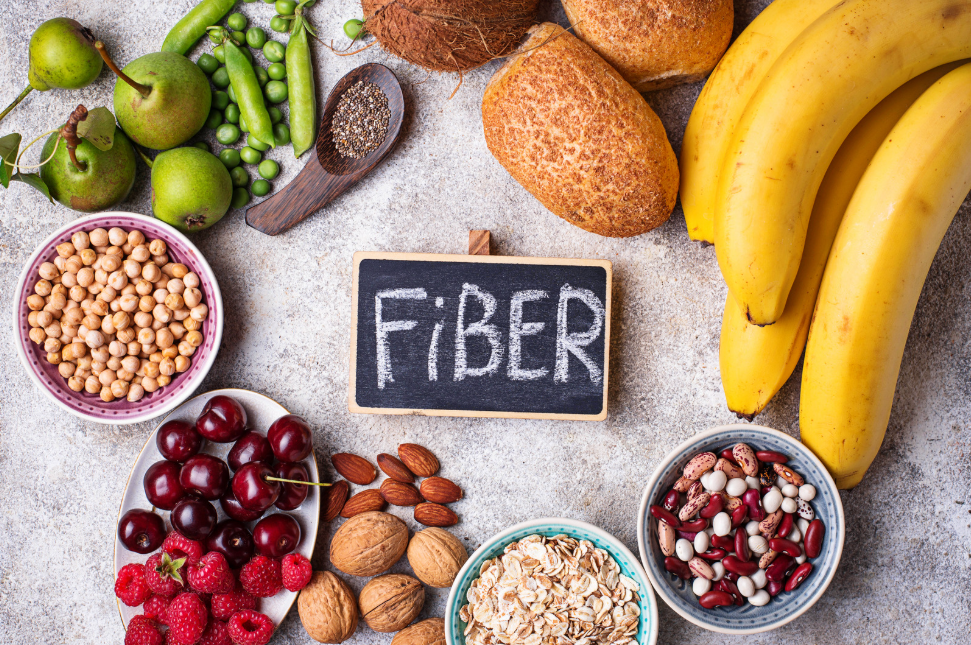
Fiber and Fitness: What You Might Be Missing
Fiber isn’t as exciting as protein. Nobody posts about their fiber intake, and people rarely ask how to get more of it in the same way that they might ask about hitting a protein goal. Still, most American adults eat less fiber than is recommended, and the effects can show up in ways you might not connect back to your diet. Through my own experiences with family and friends, I’ve seen how increasing fiber intake can make a person feel less sluggish.
What fiber does in your gut
Fiber is food for the bacteria living in your gut. When you don’t eat much of it, those bacteria have less to work with, and the makeup of that population can shift. Fiber also adds bulk and helps keep digestion regular, which is usually the first place that people notice a difference.
How it can show up in training
I wouldn’t point to fiber as the cause of every “off” day, because energy and recovery depend on a lot of things, including sleep, how much you’re eating overall, and stress. But if your energy feels inconsistent or your gut feels sluggish during workouts, it’s worth looking at how much fiber you’re getting before you decide the workout is the problem. I’ve also worked with clients who noticed improvements in their bloating and day-to-day energy after making an effort to eat more fiber. It doesn’t replace the other recovery basics like sleep, hydration, and overall food intake, and fiber isn’t the only thing that can be behind persistent bloating or fatigue, so it’s worth bringing those up with your doctor if they don’t improve.
Where to start
You don’t need to overhaul your diet. The simplest move is to add a fiber source to meals you’re already eating, whether that’s beans, vegetables, whole grains, or fruit. Whatever is easy. Swapping refined grains for whole grains helps too, like brown rice instead of white, whole grain bread instead of white bread, or whole wheat pasta instead of regular. It’s mostly a different choice at the store, though some of these can take a little getting used to. Keep the skin on produce like apples, potatoes, and cucumbers, since the skin is a source of fiber.
If your diet has been low in fiber, try increasing it gradually over a couple of weeks and drink plenty of water along the way. Adding a lot at once is a common reason people end up bloated and uncomfortable. Fiber supplements can help fill gaps, but whole foods bring other nutrients along with the fiber, so I’d treat a supplement as a backup rather than “Plan A”.
The takeaway
You don’t need to track every gram. Pick one or two of these changes, build them into meals you already eat, and pay attention to how your digestion and energy respond over the next few weeks.
If you do feel like your over all nutrition could use some help, our LIFE Nutrition Program may be the solution. Overseen by a registered dietitian, you’ll essentially have a coach in your pocket helping you every step of the way. The goal isn’t just to tell you what to eat, but to teach you how to eat and why these decisions are important.
Nutrition
Exercise
Fitness
Health
Personal Trainer
Weight Loss
Well-being

Meet the Author:
Robby Barham
Personal Trainer
Personal Trainer at Recoup Personal Training. Drawing from his background as a former collegiate and professional baseball player, Robby combines his degree in Kinesiology with personal experience to help clients build physical strength, overcome challenges, navigate recovery and achieve sustainable progress.