Fitness
The Hidden Key to Beating Age-Related Weight Gain
October 16, 2025 | Recoup Owners

The Hidden Key to Beating Age-Related Weight Gain
Frustrated by eating less and moving more, yet still gaining weight with age? You’re not alone. The missing piece isn’t more cardio or stricter dieting, it’s actually building muscle, your body’s secret weapon against a slowing metabolism.
Muscle = Your Metabolic Engine
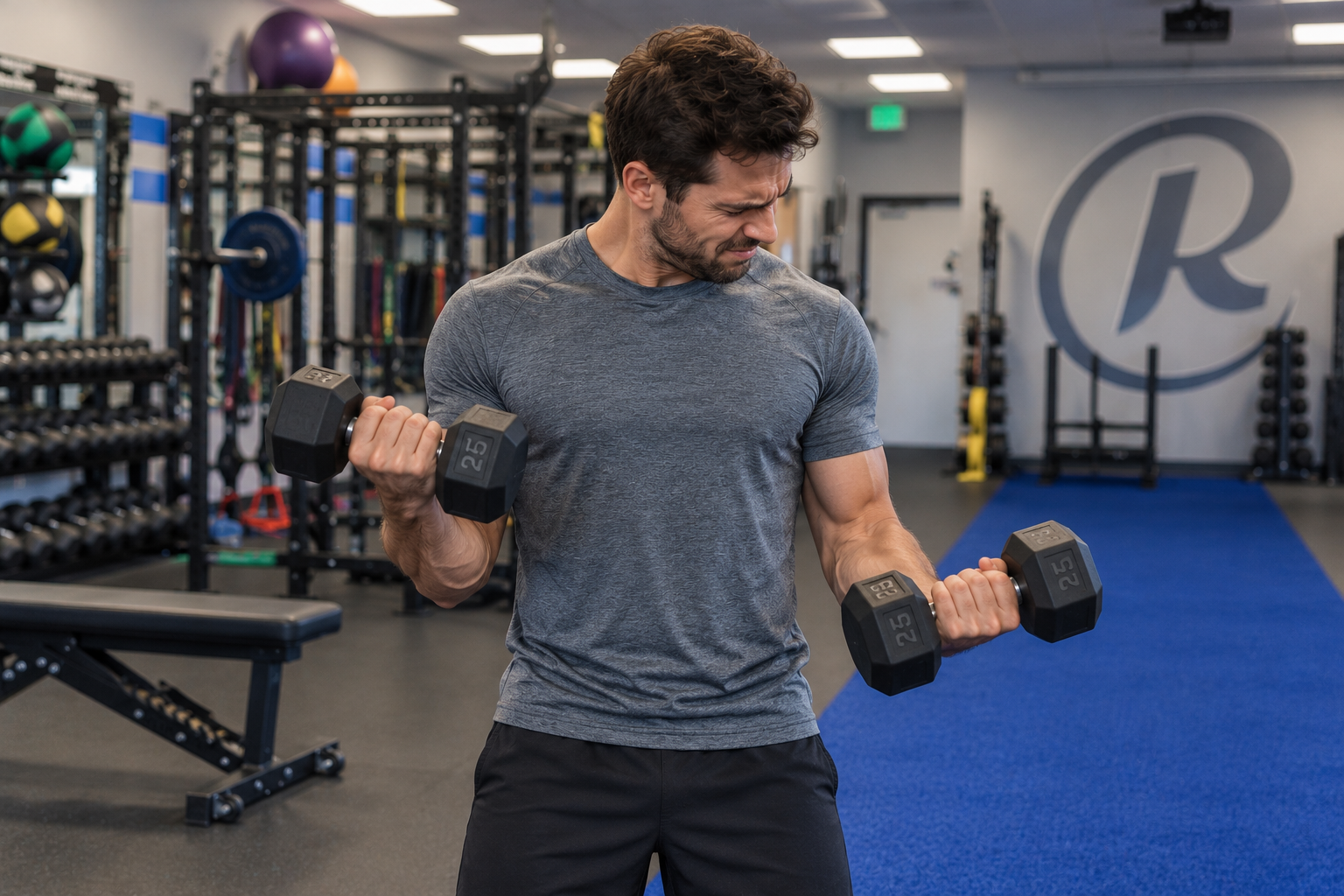
Muscle isn’t just for looking toned or lifting weights, it’s metabolically active tissue. Think of it like a 24/7 furnace that keeps burning calories whether you’re at your desk, watching Netflix, or asleep. The more muscle you have, the hotter that furnace runs, which means a higher resting metabolic rate (RMR) and more calories burned all day long.
Why Metabolism Slows With Age
From your 30s onward, your body naturally starts losing muscle (typically 3-8% per decade) if you’re not actively training. With less muscle, your engine shrinks, and your metabolism slows. That’s one of the biggest reasons people say, “My metabolism just isn’t what it used to be.”
Strength Training: The Reset Button
The best part? You can stop and even reverse that decline. Strength training tells your body to hang onto muscle and build more. Over time, this keeps you stronger for everyday life, more resilient as you age, and ensures your metabolism stays switched on instead of slowing down.
More Muscle = Easier Weight Management
Think of building muscle as a long-term metabolism upgrade. A bigger engine means your body burns more fuel. That makes it easier to manage weight without obsessing over every calorie, enjoy more food without guilt, and have steady energy for busy workdays and family life.
Don’t Forget Protein
Strength training is only half the equation, fueling your muscles is the other half. Protein gives your body the building blocks it needs to repair and grow stronger after workouts. It’s also the most filling nutrient, which helps reduce cravings and keeps you satisfied longer.
So how much do you actually need?
- General guideline for adults who strength train: 1.6-2.2 grams of protein per kilogram of body weight per day (0.7-1.0 g per pound).
- Example: A 170 lb (77 kg) person should aim for 125-170 g of protein daily.
- Spread it out across the day: 20-40 g of protein at each meal and snack is ideal for maximizing muscle repair.
Quick tip for busy professionals: a palm-sized portion of protein at every meal plus a high-protein snack keeps things simple.
And don’t stress about “too much protein.” For most healthy adults, it’s very difficult to overeat protein. Your body uses what it needs for muscle repair and other functions, and the rest has little downside compared to overdoing carbs or fats.
Bonus! NEAT Matters Too
Muscle and strength training are powerful, but there’s another piece of the puzzle: NEAT (Non-Exercise Activity Thermogenesis). This is all the movement you do outside of workouts such as walking, standing, cleaning, taking the stairs, even fidgeting.
For many people, NEAT can account for hundreds of calories burned per day without feeling like “exercise.” Small habits like parking farther away, taking walking meetings, or pacing during phone calls adds up over weeks and months. They can make a noticeable difference in keeping weight off.
The Bottom Line
If you want to beat age-related weight gain, the answer isn’t endless cardio or restrictive dieting. It’s strength training 2-3 times a week, eating enough protein to support recovery, and staying active throughout the day with NEAT. Do that, and you’ll build muscle, boost your burn, and feel younger, stronger, and more energized than ever.
Need help getting started? Book a free Discovery Call today.